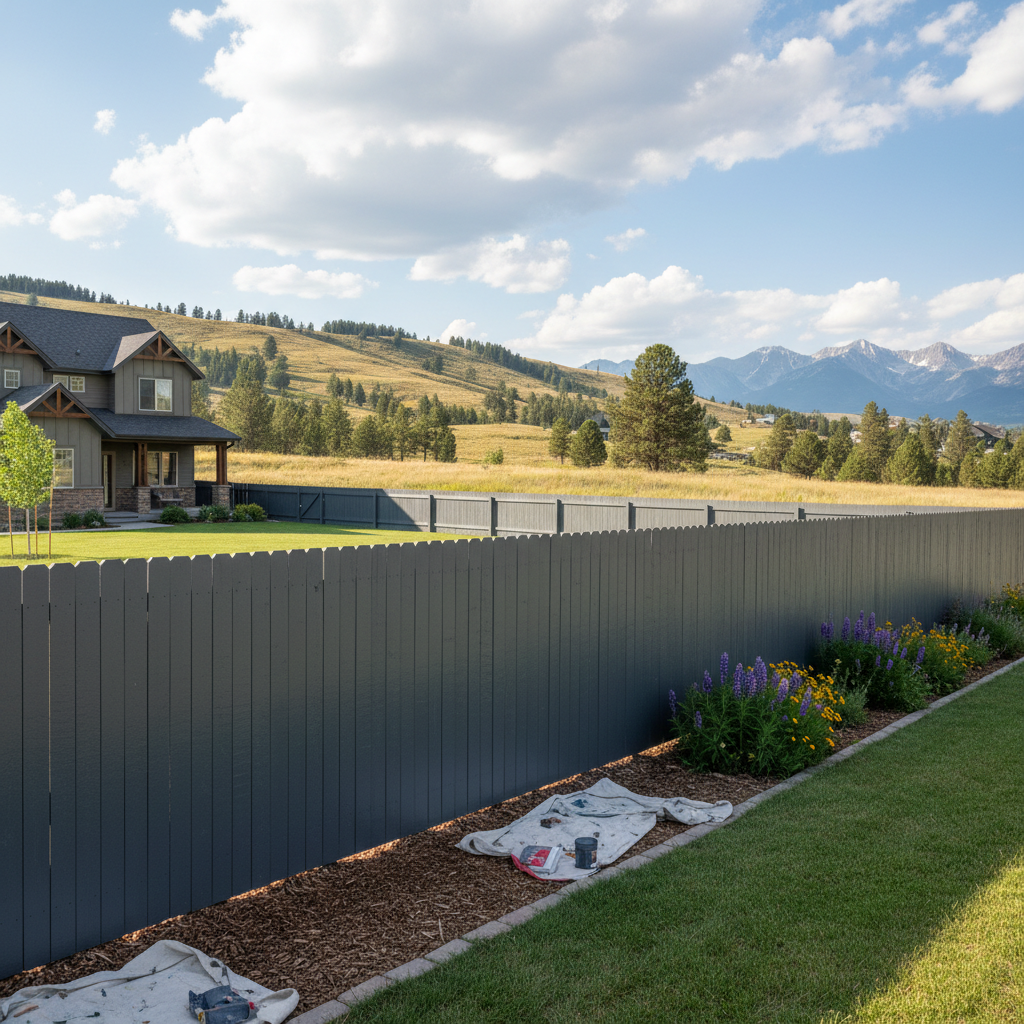
Planning Your Bozeman Fence Painting Project
So, you're looking to get that fence painted. Good call. A fresh coat of paint doesn't just make your property look sharper; it protects your investment from our harsh Bozeman weather – those long, cold winters and intense summer sun can really do a number on wood.
But before you jump in, there's a bit of planning involved. It's not just about picking a color and calling it a day. Here's what I tell folks when they're thinking about tackling their fence.
The Timeline: When to Paint and How Long It Takes
Timing is everything, especially here in Montana. You can't paint a fence when it's snowing or when it's too humid, and you definitely can't paint it if it's going to rain right after. That means our painting season is shorter than in other places. Generally, you're looking at late spring through early fall – think May to September, maybe early October if we get a nice stretch.
- Booking Ahead: Good painters get booked up fast. If you want your fence painted in July, you should be calling around in April or May. Don't wait until the last minute, or you'll be waiting until next year.
- Project Duration: How long does it actually take? That depends on the size and condition of your fence. A small, well-maintained fence might be a couple of days. A long, weathered fence around a big property, especially if it needs a lot of prep work, could easily be a week or more. We're talking about drying times between coats too, which can vary with temperature and humidity.
What to Expect During the Process
Once you've got a painter lined up, what happens next? It's more than just slapping paint on wood. A professional job involves several key steps:
- Inspection & Repair: First, we'll walk the fence. Any loose boards? Rotting posts? Nails popping out? Those need to be fixed before any paint goes on. You can't paint over problems and expect them to go away.
- Cleaning: This is huge. Your fence collects dirt, mildew, and old, peeling paint. It all has to come off. We'll often power wash it, sometimes with a mild cleaning solution, to get a clean surface. This step is critical for paint adhesion.
- Drying: After cleaning, the fence needs to dry completely. This can take a day or two, depending on the weather. If you paint a wet fence, the paint won't stick, and you'll have bigger problems down the road.
- Scraping & Sanding: Any remaining loose paint or rough spots need to be scraped and sanded smooth. This creates a good surface for the new paint to bond to.
- Priming (if needed): If your fence is bare wood, heavily stained, or has certain types of old paint, a primer might be necessary. Primer helps the topcoat adhere better and gives you a more uniform finish.
- Painting: Finally, the paint goes on. We usually apply two coats for durability and a consistent look. We'll use brushes, rollers, or sprayers depending on the fence type and paint.
- Cleanup: A good crew cleans up after themselves. No paint drips on your lawn or landscaping.
How to Prepare Your Property
You can help make the process smoother and faster. Here's what you can do:
- Clear the Fence Line: Move anything away from the fence – grills, patio furniture, planters, toys, dog houses. We need at least 2-3 feet of clear space on both sides to work efficiently.
- Trim Landscaping: If you've got bushes, vines, or trees growing right up against the fence, trim them back. We can't paint what we can't get to, and we don't want to damage your plants.
- Secure Pets: Keep your pets indoors or in a secure area away from the work zone. Paint fumes aren't good for them, and we don't want them getting into wet paint.
- Inform Neighbors: If your fence borders a neighbor's property, give them a heads-up. It's just good etiquette, and they might appreciate knowing when to keep their kids or pets away from the wet paint.
- Address Sprinklers: Make sure your sprinkler system is off for a few days before and during the painting process. We don't want water hitting fresh paint.
Questions to Ask Before Signing a Contract
You're investing in your home, so ask the right questions. Don't be shy. Here's what I'd want to know if I were you:
- What kind of paint or stain do you recommend, and why? There are big differences in products. You want something that holds up to Bozeman's climate.
- What's your process for surface preparation? This is where a lot of less experienced painters cut corners. Make sure they're talking about cleaning, scraping, and possibly sanding.
- How many coats will you apply? Two coats are standard for good coverage and durability.
- What's your warranty on the work? A reputable company like Bozeman Painting Company should stand behind their work.
- Do you carry liability insurance and workers' compensation? This protects you if something goes wrong. Ask for proof.
- What's the estimated timeline for the project, from start to finish? Get a clear idea of when they'll start and roughly when they expect to be done.
- How do you protect my landscaping and surrounding areas? They should have a plan for drop cloths and masking.
- What's the payment schedule? Don't pay the full amount upfront. A deposit is common, with the balance due upon completion and your satisfaction.
- Can you provide references from recent fence painting jobs? Talk to other homeowners they've worked for.
Getting your fence painted is a great way to boost your curb appeal and protect your investment. By understanding the process and asking the right questions, you'll ensure you get a quality job that lasts.