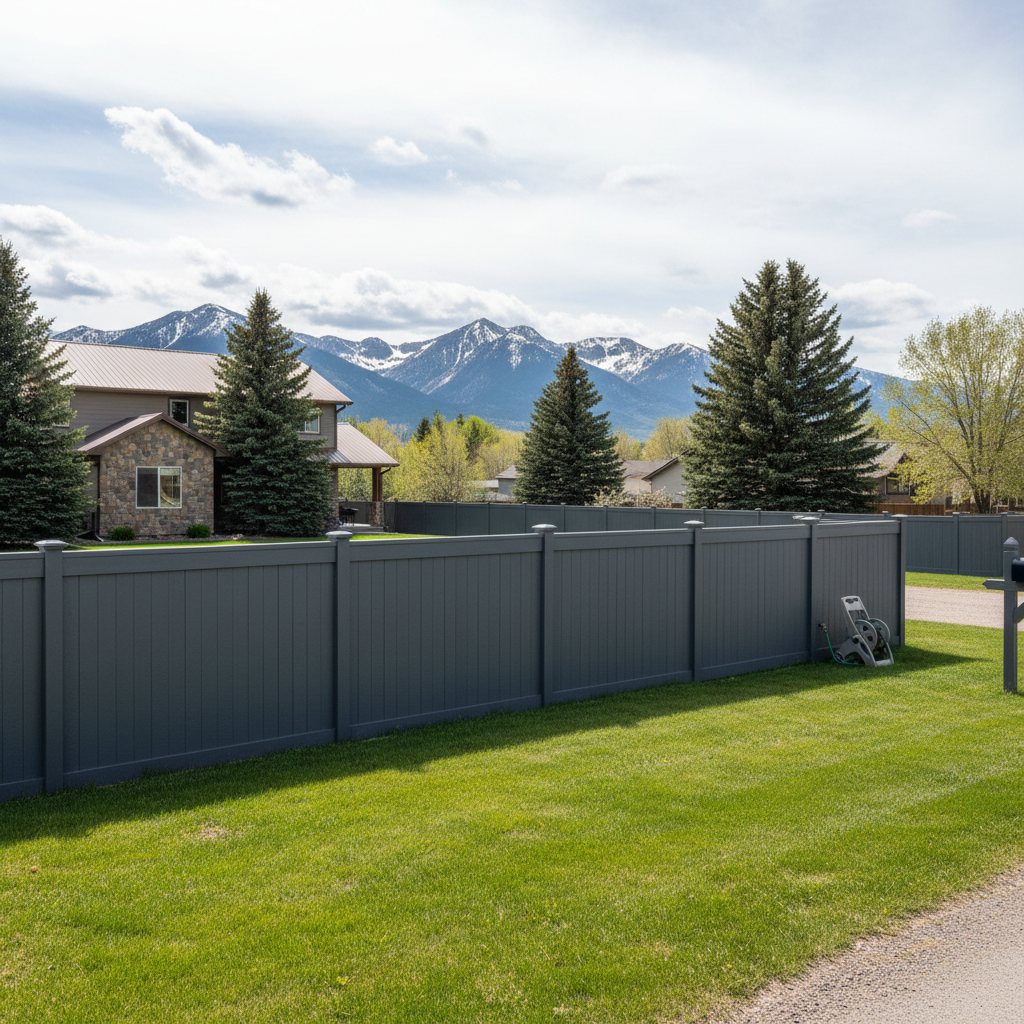
So, you're looking at that fence of yours and thinking it's time for a fresh coat, huh? Good call. A well-maintained fence doesn't just look better; it protects your investment from the harsh Montana weather we get here in Bozeman. But before you just jump in or call the first number you see, let's talk about getting this project planned out right. It'll save you headaches and money down the road.
Timeline: When to Get This Rolling
You might think fence painting is a quick job, but there's a bit more to it, especially if you want it done right and to last. Generally, I tell folks to start thinking about this in late winter or early spring. Why? Because good painters, like us at Bozeman Painting Company, get booked up fast once the weather breaks. If you wait until May or June to call, you might be waiting a while.
The actual painting season for fences around here usually kicks off in late spring – think May or June – and can run through early fall, like September or October. We need consistent dry weather, and ideally, not too hot. Those scorching July afternoons aren't great for paint application or curing. So, planning ahead means you can get on the schedule for that sweet spot when the weather's cooperating.
From initial contact to project completion, here's a rough breakdown:
- Initial Inquiry & Quote: 1-2 weeks. This depends on how busy the contractor is and how quickly you can schedule a site visit.
- Decision & Scheduling: 1-4 weeks. You'll want to get a few quotes, compare, and then get on the books.
- Actual Work: 2 days to 2 weeks. This varies hugely based on the fence's size, condition, and the crew size. A small backyard fence is different from miles of ranch fencing out in the valley.
- Curing Time: A few days to a week. The paint needs time to fully harden before it's truly durable.
What to Expect During the Process
Once you've got a contractor lined up, here's what you can generally expect. It's not just slapping paint on wood, believe me.
First up, it's all about preparation. This is probably the most crucial step, and it's where a lot of DIYers mess up. We're talking about cleaning the fence thoroughly. That means power washing to remove dirt, mildew, and loose old paint. If there's a lot of old, peeling paint, we might need to scrape it too. Down in the Valley West neighborhood, where fences often sit in damp soil, mildew can be a real problem, so a good cleaning is non-negotiable.
Next, repairs. Any loose boards, popped nails, or rotten sections? Now's the time to fix 'em. You don't want to paint over problems; you want to fix them so the fence lasts. Some contractors will include minor repairs; others might charge extra or ask you to handle it. Make sure you know what's covered.
Then comes the primer. If you're going from a dark color to a light one, or if you've got bare wood, a good primer is essential. It helps the topcoat adhere better and gives you a more uniform finish.
Finally, the painting itself. This usually involves two coats of paint or stain. We apply it evenly, making sure to get into all the nooks and crannies. We'll protect your landscaping, too, covering plants and anything else nearby that shouldn't get paint on it.
How You Can Prepare for the Crew
You're paying good money for this, so you want to make it as smooth as possible for the crew. Here's what you can do:
- Clear the Area: Move anything away from the fence line. Grills, patio furniture, planters, dog houses, kids' toys – get 'em out of the way.
- Trim Vegetation: If you've got bushes or vines growing right up against the fence, trim them back. The crew needs space to work, and you don't want paint on your prize-winning roses.
- Secure Pets: Keep your dogs and cats inside or in a secure, separate area. We don't want them getting into paint or getting underfoot.
- Inform Neighbors: If your fence borders a neighbor's property, give them a heads-up. It's just good etiquette, and they might have questions about access or overspray.
- Discuss Access: Make sure the crew knows how to access all sides of the fence, especially if parts are in a locked yard or behind a shed.
Questions to Ask Before Signing a Contract
Don't just sign on the dotted line without asking some key questions. This is your money, and you deserve to know what you're getting.
- What kind of paint or stain do you recommend, and why? There are tons of options. You want to know they're using quality stuff that stands up to Bozeman's sun and snow.
- What's included in the prep work? Does it cover power washing, scraping, minor repairs, and priming? Get it in writing.
- How many coats will you apply? Two coats are standard for durability and appearance.
- What's your process for protecting my landscaping and property? They should have a clear plan for tarps and masking.
- What's the estimated timeline for completion? Get a start and end date, even if it's a range.
- Do you carry insurance? This is huge. You need to know they have liability insurance and workers' comp. Ask for proof.
- What's your warranty on the work? A good contractor stands by their work.
- How do you handle unexpected issues or change orders? Sometimes things pop up. You need to know the process for addressing them and how it affects the cost.
- Can you provide references? Talk to other clients who've had similar work done.
Asking these questions upfront will help you find a reputable contractor and ensure your fence painting project goes smoothly. It's your home, your investment, and you deserve a job done right. If you're ready to get a quote, give Bozeman Painting Company a call. We're here to help.