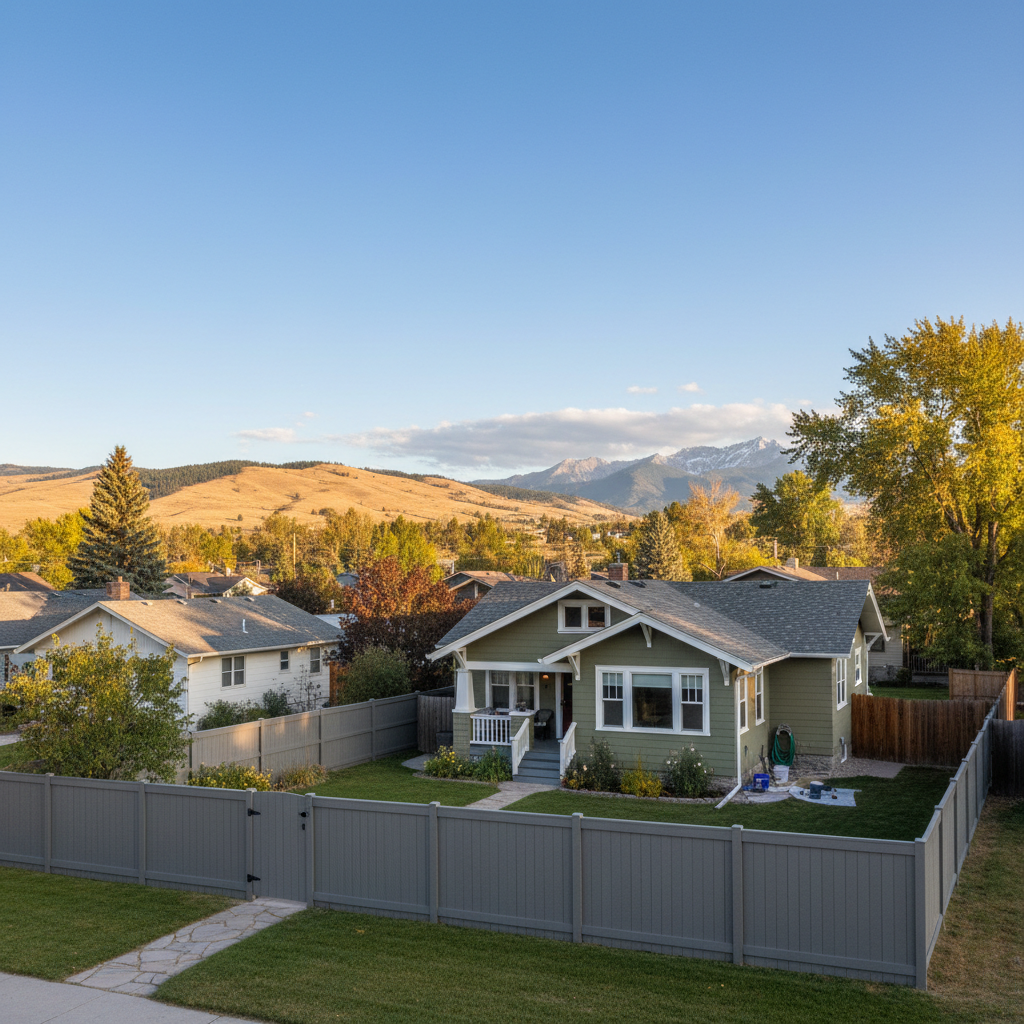
Your fence takes a beating, doesn't it? Here in Bozeman, we know all about extreme weather. One day it's 80 degrees and sunny, the next it's snowing sideways. That kind of rapid temperature swing and constant exposure to sun, snow, and wind is brutal on any exterior surface, especially your fence.
I've seen countless fences around town – from the classic cedar picket fences in the older Southside neighborhoods to the more robust privacy fences in newer developments like Black Bull – that just weren't prepped or painted right the first time. You end up with peeling, cracking, and a fence that looks worse than when you started, sometimes in just a year or two. That's a waste of your time and money.
Why Bozeman Fences Need Special Attention
It's not just about slapping on some paint. Our high altitude means more intense UV radiation, which breaks down finishes faster. Then you've got the freeze-thaw cycles that push moisture into wood, causing paint to lift and peel. And let's not forget the dry air for much of the year, followed by heavy snow loads. All these factors combine to make fence painting here a bit different than, say, in a humid coastal town.
When I'm looking at a fence painting project, whether it's a small backyard fence or a long perimeter fence for a ranch property, I'm thinking about:
- Wood Type: Is it pressure-treated pine, cedar, redwood, or something else? Each takes paint or stain differently.
- Current Condition: Is it new, old, weathered, previously painted, or stained? This dictates prep work.
- Exposure: How much sun, wind, and snow does it get? A south-facing fence needs a tougher finish.
- Soil Conditions: We've got some pretty clay-heavy soil around here in parts of the valley. That can affect moisture wicking up into the bottom of fence posts, so you need to pay attention to sealing those lower sections properly.
Ignoring these details is where most DIY jobs and inexperienced painters go wrong. They use a generic primer or paint that isn't designed for our climate, or they skip crucial prep steps.
The Right Way to Paint Your Bozeman Fence
Getting a durable, good-looking finish starts long before the first brushstroke. Here's what we typically do:
First, we clean it. Power washing is often necessary to remove dirt, mildew, and loose old paint or stain. But you've got to know how much pressure to use so you don't damage the wood. After that, it needs to dry completely. And I mean completely. Painting wet wood is a recipe for disaster.
Next comes the prep. This might involve scraping, sanding, and definitely priming. For raw wood, a good quality exterior primer is non-negotiable. It helps the topcoat adhere better and provides an extra layer of protection against moisture. If you're going from a stain to a paint, or vice-versa, you might need a specific type of primer to ensure compatibility.
Then, the paint or stain itself. I always recommend high-quality exterior products specifically formulated for fences and decks. These are designed to expand and contract with the wood and stand up to UV rays and moisture. You'll want a product that offers good mildew resistance too, especially on the north-facing sides of fences that stay damp longer.
We typically apply two coats, sometimes three depending on the color change and the product. It's not just about coverage; it's about building up that protective layer. And we don't rush it. Proper drying time between coats is essential for the finish to cure correctly.
Why Choose a Local Pro Like Bozeman Painting Company?
You might think,