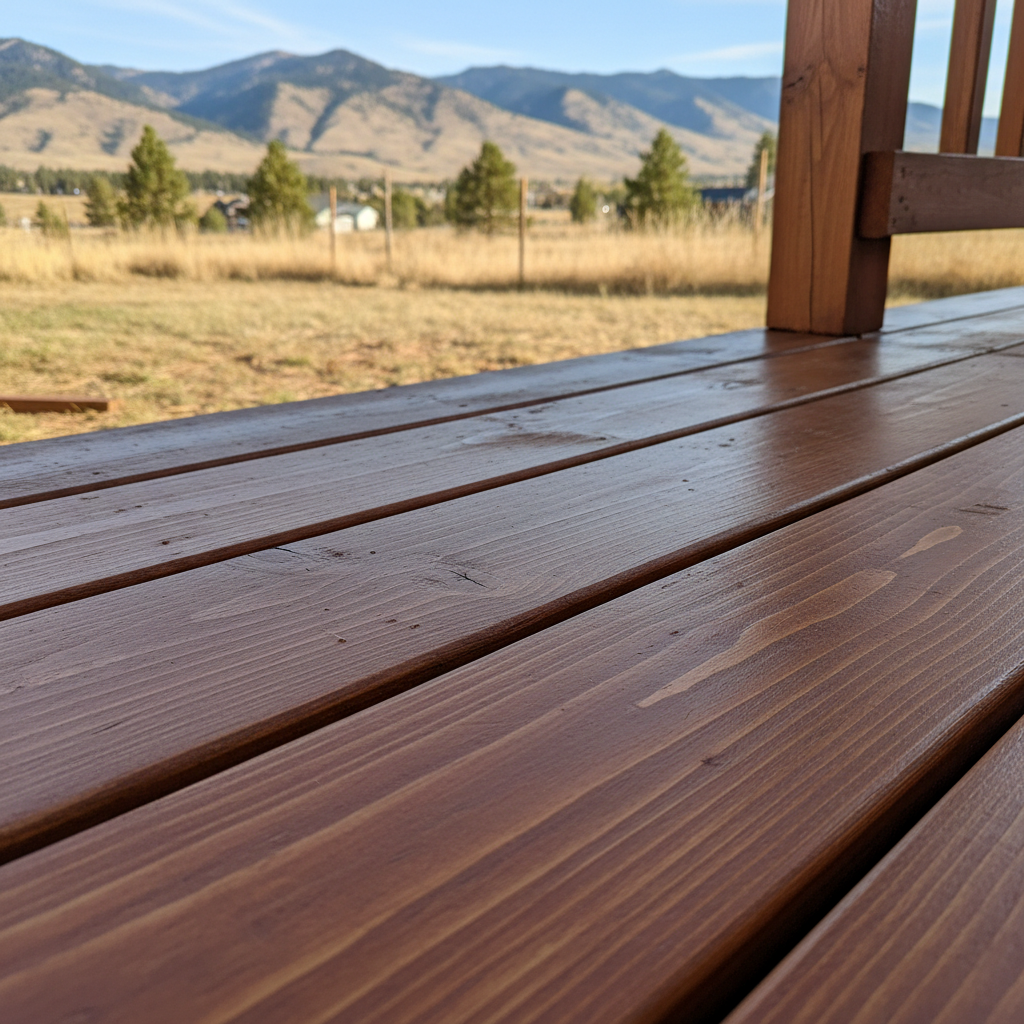
Alright, let's talk decks. You've got one, it's looking a little faded, and you're probably wondering if you can just slap some stain on it yourself. I get it. Saving a buck feels good, especially with how much everything costs around here. But here's the deal: deck staining, done right, is more than just painting a fence. It's a process, and if you cut corners, you'll be doing it again sooner than you think.
Before You Even Think About Staining
First things first: what kind of shape is your deck in? If it's brand new, great. If it's old, weathered, or got some mildew, you've got work to do. You can't just stain over dirt and grime; it won't stick, and it'll look like crap in a year. Trust me, I've seen it. You'll need to clean it thoroughly. A good deck cleaner and a stiff brush, or even a pressure washer, are your friends here. Just be careful with the pressure washer; too much force can damage the wood fibers, leaving you with a fuzzy surface that won't take stain well.
Next, repairs. Any loose boards? Nails sticking up? Splintered wood? Fix it. Sand it down. Make sure the surface is smooth and ready. If you've got a lot of rot or structural issues, stop. That's a bigger job than just staining, and you might need a carpenter before you even think about us at Bozeman Painting Company.
Then there's the weather. This is Bozeman, so you know how unpredictable it can be. You need a stretch of at least two to three dry days – no rain, no heavy dew – for cleaning, drying, and then applying the stain. Trying to rush it between sprinkles is a recipe for disaster. The wood needs to be bone dry before you apply anything, or the stain won't penetrate properly.
Choosing Your Stain: It Matters More Than You Think
This is where a lot of folks get tripped up. There are oil-based stains, water-based stains, transparent, semi-transparent, and solid. Each has its pros and cons. Oil-based stains tend to penetrate deeper and offer better protection, especially for our harsh winters and intense summer sun. Water-based stains are easier to clean up and dry faster, but sometimes don't last as long in our climate.
Transparent and semi-transparent stains let the wood grain show through, which looks beautiful on good quality wood. Solid stains are more like paint; they cover everything and offer maximum UV protection, but you lose the natural wood look. Think about the look you want and how much protection you need. Don't cheap out on the stain; a good quality product will save you time and money in the long run because it'll last longer.
The Staining Process: Take Your Time
Once your deck is clean, dry, and repaired, you're ready to stain. Always do a test spot in an inconspicuous area first. This lets you see how the stain looks and how the wood absorbs it. You'll want to apply stain with a brush, roller, or sprayer. For most homeowners, a brush or a pad applicator is the best bet for control and even coverage, especially if you're not used to spraying.
Work in small sections. Don't try to cover too much at once, especially if it's warm out and the stain dries fast. Apply thin, even coats. Two thin coats are always better than one thick, gloppy coat. Make sure to get into all the cracks and crevices, especially on the railing posts and balusters. Those are often the first places to show wear.
And here's a local tip: if your deck is on the north side of the house, or in a shady spot like many decks in the South Cottonwood area, you're going to deal with more moisture and potential mildew. You'll want a stain with good mildewcides, and you might need to clean and re-stain more frequently than a deck that gets full sun all day.
When to DIY vs. When to Call a Pro
So, can you do this yourself? Absolutely, if you're willing to put in the time and effort. If your deck is small, in good shape, and you're comfortable with the prep work, go for it. You'll learn a lot, and you'll save some cash.
But here's when you should seriously consider calling someone like us at Bozeman Painting Company:
- Large or complex decks: If you've got multiple levels, lots of intricate railing, or a huge surface area, it's a massive undertaking.
- Badly weathered or damaged decks: If it needs extensive cleaning, stripping old stain, or major repairs, that's a whole different ballgame.
- Time constraints: Don't have a few free weekends to dedicate to this? A pro can get it done efficiently.
- Unsure about products: If you're overwhelmed by all the stain choices and application methods, we can guide you to the right one.
- Not comfortable with heights or ladders: Safety first, always.
We've got the right equipment, the experience, and the know-how to get it done right the first time. We've seen every kind of deck and every kind of stain issue you can imagine. We know what works best for our Bozeman climate.
After the Staining: Maintenance is Key
Once your deck is stained and looking sharp, don't forget about it. Give it a good cleaning once a year – just a gentle wash with soap and water to remove dirt and pollen. Keep an eye out for any areas where the stain might be wearing thin, especially on high-traffic spots or areas exposed to a lot of sun. Catching those early means you can touch them up rather than having to re-stain the whole thing.
A well-maintained deck adds value and enjoyment to your home. Whether you tackle it yourself or bring in the pros, taking care of your deck is always a good investment.